
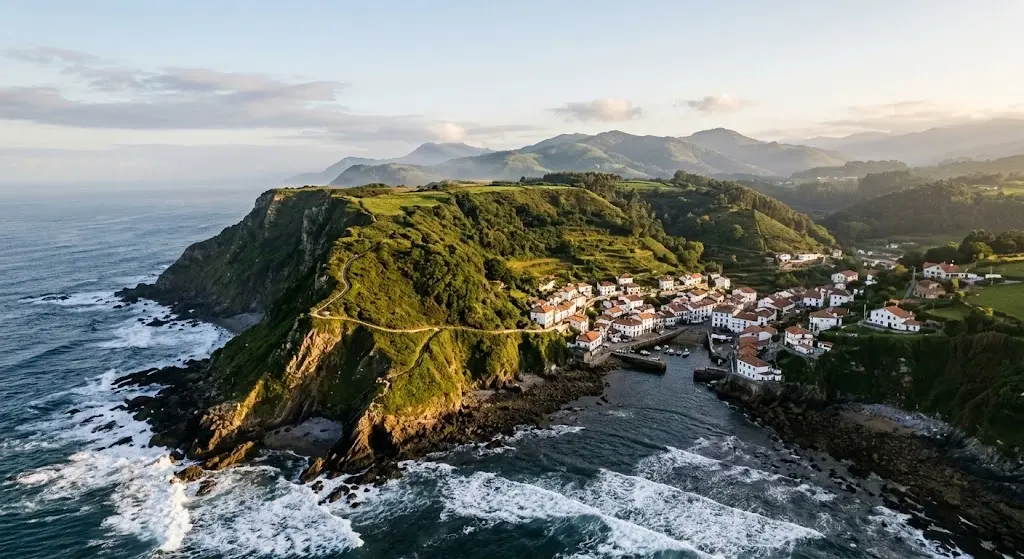
Northern Spain is the part of the country that surprises people who thought they already knew Spain. It is green, Atlantic and often cool, with cliffs, fishing ports, Roman walls, wine valleys and mountain gorges, and some of the best food you can eat standing up at a bar. It is also easy to plan badly, because several of its best places now run on permits, timed tickets or tide tables.
This guide covers 15 places to see in Northern Spain, grouped by region so you can see how they fit together. For each one you get what makes it worth the detour, who it suits, and the practical catch you should know about before you go. Details were checked in October 2026, but access rules change, so the official links at the end are worth a look before you book.
Short on time? For a first trip, the strongest combination is San Sebastián, Bilbao and Gaztelugatxe in the Basque Country, then Santillana del Mar and the Picos de Europa in Cantabria and Asturias, finishing in Santiago de Compostela. If you only have a long weekend, pick one region and do it properly.
Northern Spain at a Glance
| Place | Region | Best for | Needs booking? |
|---|---|---|---|
| San Sebastián | Basque Country | Food, beaches | Restaurants in summer |
| Bilbao and the Guggenheim | Basque Country | Architecture, art | Timed museum tickets |
| San Juan de Gaztelugatxe | Basque Country | Coastal scenery | Free timed ticket on busy dates |
| Rioja Alavesa | Basque Country | Wine, design | Winery visits |
| Pamplona | Navarre | Old town, pintxos, festivals | Accommodation in July |
| Burgos Cathedral | Castile and León | Gothic architecture | No, tickets sold online and on site |
| Santillana del Mar and Altamira | Cantabria | Medieval village, prehistory | Museum tickets |
| Lagos de Covadonga | Asturias | Mountain lakes | Bus on peak days |
| Cares Trail | Asturias / León | Hiking | No, but check trail status |
| Santiago de Compostela | Galicia | Pilgrimage, old town | Roof tour |
| As Catedrais Beach | Galicia | Rock arches, photography | Free permit in peak periods |
| Cíes Islands | Galicia | Beaches, walking | Mandatory permit and ferry |
| Ribeira Sacra | Galicia | Canyons, wine, driving | Catamaran in summer |
| Roman Walls of Lugo | Galicia | History, a short stop | No |
| Tower of Hercules, A Coruña | Galicia | Lighthouse, city coast | No |
The Basque Country, Navarre and Castile: Food, Architecture and Wine
1. San Sebastián: Pintxos and a City Beach Worth Planning Around
San Sebastián (Donostia in Basque) wraps around the shell-shaped bay of La Concha, with a green hill at each end. The reason to come is the Parte Vieja, the old town, where bars lay small plates along the counter and cook hotter ones to order. The sensible method is one pintxo and one drink per bar, then move on. Order the hot ones when you see a crowd waiting for them.
Beyond eating, ride the 1912 funicular up Monte Igueldo for the view over the bay, or walk up Monte Urgull, which costs nothing. The Peine del Viento sculptures at the end of Ondarreta beach are free too. Two or three days is the right amount of time.
Best for: food lovers and couples. The catch: it is one of the more expensive cities in Spain, and summer beds disappear early, so book accommodation first and plan the rest around it.
2. Bilbao and the Guggenheim: Northern Spain’s Great Architecture Stop
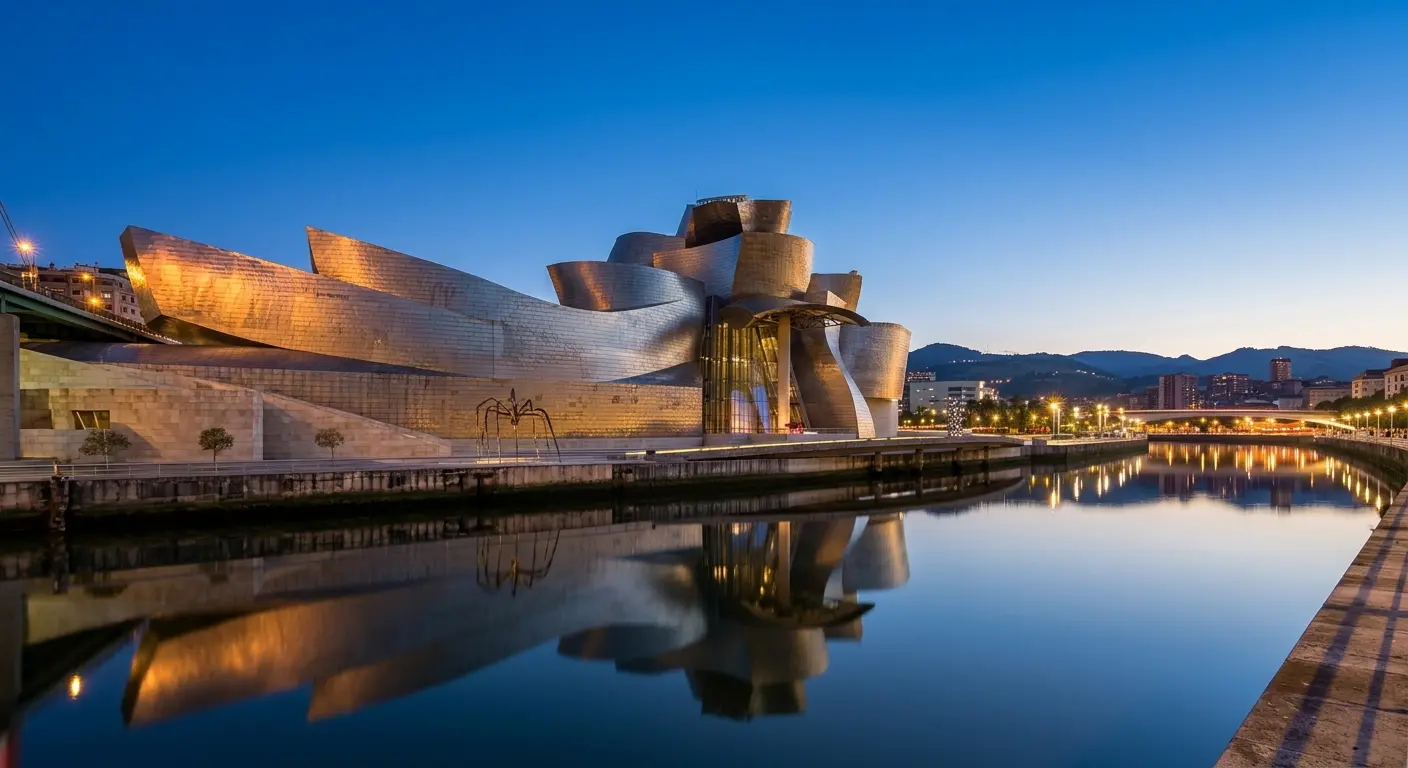
The Guggenheim Museum Bilbao opened in 1997 and turned a post-industrial river city into a destination. Frank Gehry’s titanium curves are worth seeing from outside as much as inside, so walk the riverside first, then decide how long you want indoors. Most visitors need two to three hours.
The museum is generally open Tuesday to Sunday, 10:00 to 19:00, with longer hours and Monday openings in high summer. Adult admission is around €15 on most current listings, with under-18s free, but the museum’s own site is the one to trust because prices and exhibition-day hours shift. Tickets are timed, so book ahead for summer weekends and rainy days, when locals head indoors too.
Best for: design fans and anyone using Bilbao as a base. The catch: the museum is the headline, but the old town and the pintxos are what make a second evening worthwhile.
3. San Juan de Gaztelugatxe: The Dragonstone Hermitage, With Rules
A stone path and 241 steps lead across a causeway to a small hermitage on an island rock, about 45 minutes by car from Bilbao. It appeared as Dragonstone in Game of Thrones, which is why the crowds arrived and why access is now managed.
Entry is free, but on designated busy dates, which include high season, holidays and long weekends, you must hold a free timed ticket booked through the Bizkaia provincial system. Plan roughly 90 minutes to two hours: about half an hour to walk down to the chapel, time at the top, then the climb back up the hill, which feels harder than the way down. Wear proper shoes.
Best for: coastal-scenery photographers and anyone with a hire car. The catch: weather and landslides have affected access in the past, so check the official Bizkaia page for the current status before you drive out.
4. Rioja Alavesa: Laguardia, Underground Cellars and a Gehry Hotel
Many people assume Rioja means La Rioja the region. One of its three wine zones, Rioja Alavesa, sits in the Basque province of Álava, less than two hours from Bilbao or San Sebastián. The walled town of Laguardia is built above a network of old cellars, and some of them can be visited.
At Elciego, the Marqués de Riscal winery (founded in 1858) added a Gehry-designed hotel in 2006, clad in pink, gold and silver titanium to echo the wine, the bottle mesh and the capsule. Its underground cellar holds vintages going back to the 1860s. Nearby, Bodegas Ysios was designed by Santiago Calatrava and is mostly a viewing stop.
Best for: wine and architecture together. The catch: tastings and driving do not mix. If you want to drink properly, book a guided day trip from Bilbao or San Sebastián, or stay overnight in the area.
5. Pamplona: Bigger Than the Bull Runs
Pamplona is known for the San Fermín festival, held every year from 6 to 14 July. The opening rocket is fired at noon on the 6th, and the bull runs happen at 8:00 each morning from the 7th. In 2027 the festival runs from Tuesday 6 July to Wednesday 14 July.
Outside those dates it is a calmer, very walkable city: a medieval old town, a cathedral, stretches of surviving city walls, and the pintxos bars around Estafeta street and Plaza del Castillo. It also sits on the Camino de Santiago, so you will meet walkers all year.
Best for: festival seekers in July, or food-focused city breaks the rest of the year. The catch: during San Fermín the old town is loud, crowded and hot, and accommodation sells out far ahead. Decide which version of Pamplona you want before you book.
6. Burgos Cathedral: A Gothic Showpiece Worth a Detour
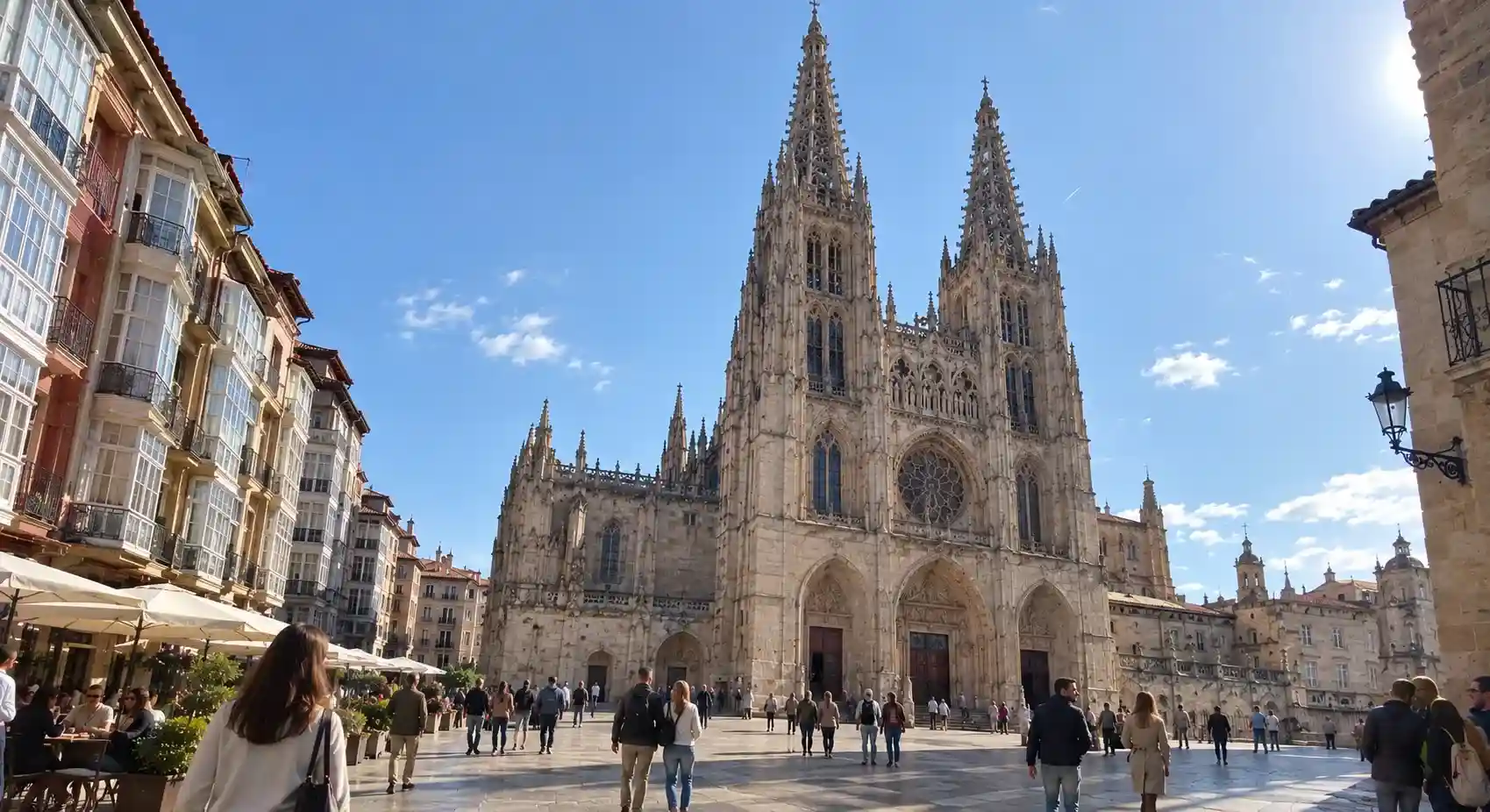
Burgos is in Castile and León, but travellers crossing northern Spain on the Camino or by road usually pass through it. The cathedral was built between 1221 and 1567, and in 1984 it became a UNESCO World Heritage Site. It is the only Spanish cathedral inscribed on its own, without a surrounding historic centre.
Allow 1.5 to 3 hours. In the warmer months it generally opens around 09:30 and closes in the evening, with shorter winter hours. Check the cathedral’s visit page for current times and ticket types, including combined tickets that cover nearby churches. Arriving at opening avoids the tour groups that tend to turn up later in the morning.
Best for: architecture and history lovers breaking up a long drive. The catch: it is an inland stop, so it fits better on a route between the Basque Country and Galicia than on a coastal trip.
Cantabria and Asturias: Prehistoric Art and Mountain Scenery
7. Santillana del Mar and Altamira: Medieval Streets and the Cave That Changed Archaeology
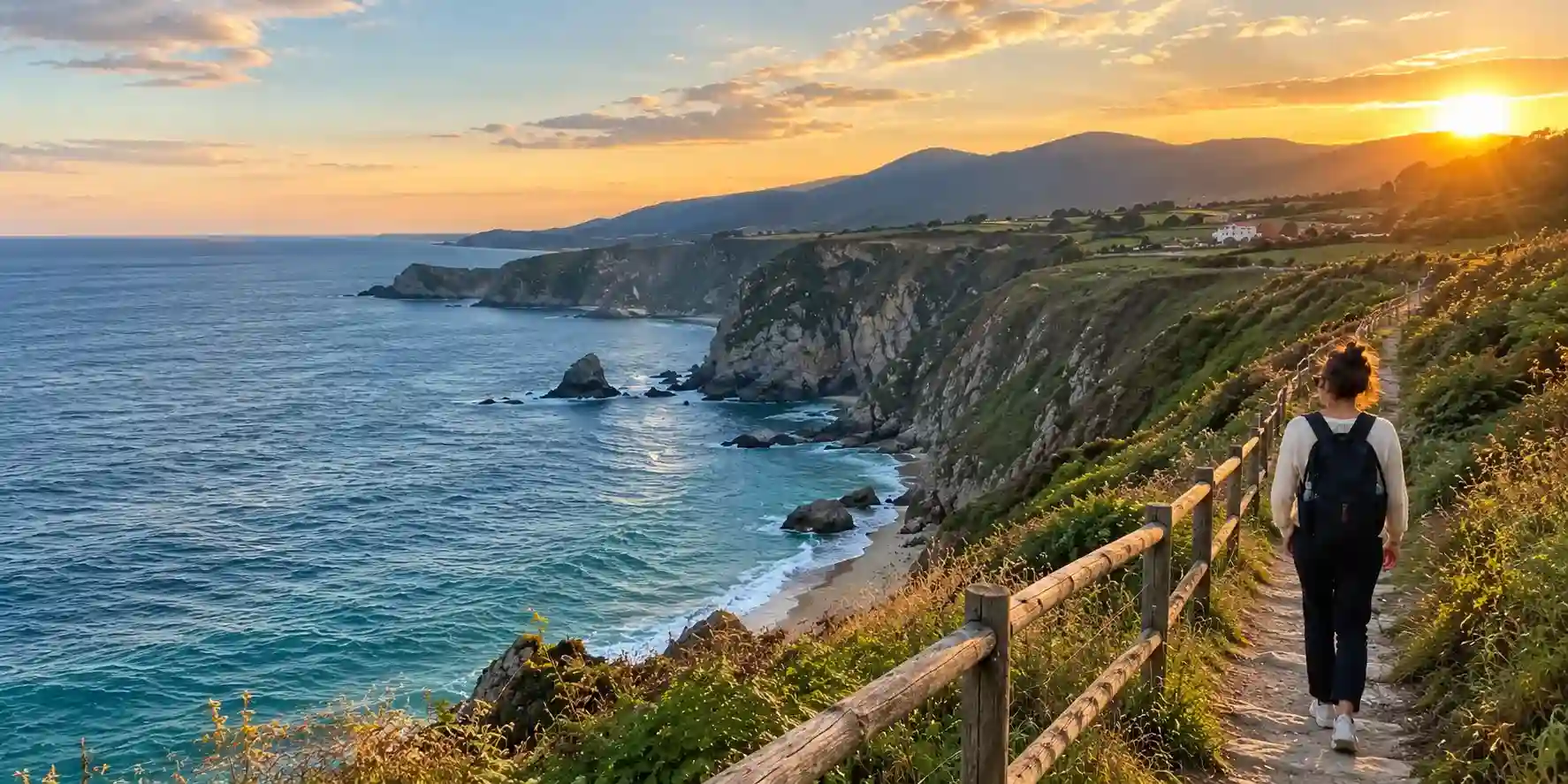
Santillana del Mar is a small town of stone houses, old towers and a Romanesque collegiate church, easy to cover on foot in an afternoon. About two kilometres away, the National Museum and Research Center of Altamira interprets the cave paintings found in the nearby Cave of Altamira, which is UNESCO-listed.
Most visitors see the Neocave, a full-scale replica. Access to the original cave has been limited and very small-scale in recent years, so do not plan around it without confirming on the museum’s official website. Book timed museum tickets in advance and pair the visit with the town for a half-day.
Best for: families, history lovers and anyone driving between Bilbao and Asturias. The catch: the replica is the standard experience, so set expectations accordingly.
8. Lagos de Covadonga: Glacial Lakes in the Picos de Europa
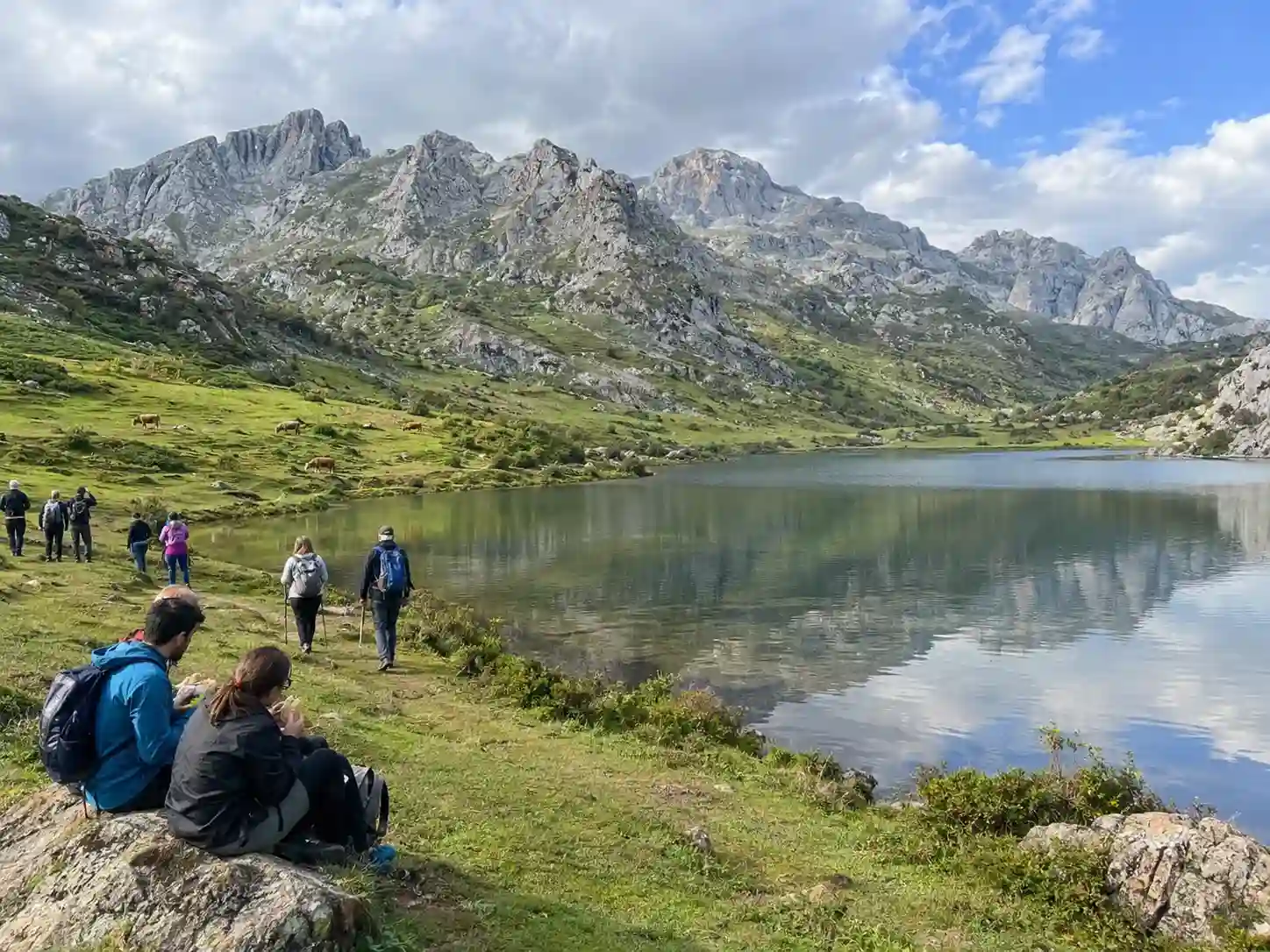
The lakes of Enol and Ercina sit in the Cornión massif of the Picos de Europa National Park, above 1,000 metres. The road up, the CO-4, has tight bends, and cows and horses often wander across it. The reward is open mountain scenery that feels a long way from the coast.
Private vehicle access is restricted on peak dates, including Easter, long weekends and summer, when a public bus from Cangas de Onís replaces cars. The dates change every year, so check the Turismo Asturias access page before you go. Bicycles are not affected by the restrictions. The Royal Site of Covadonga, with its sanctuary, is on the way up and makes a good first stop. Go early, as fog can hide the view later in the day.
Best for: easy mountain scenery without a long hike. The catch: in peak season, plan around the bus and arrive early.
9. The Cares Trail: Northern Spain’s Great Gorge Walk
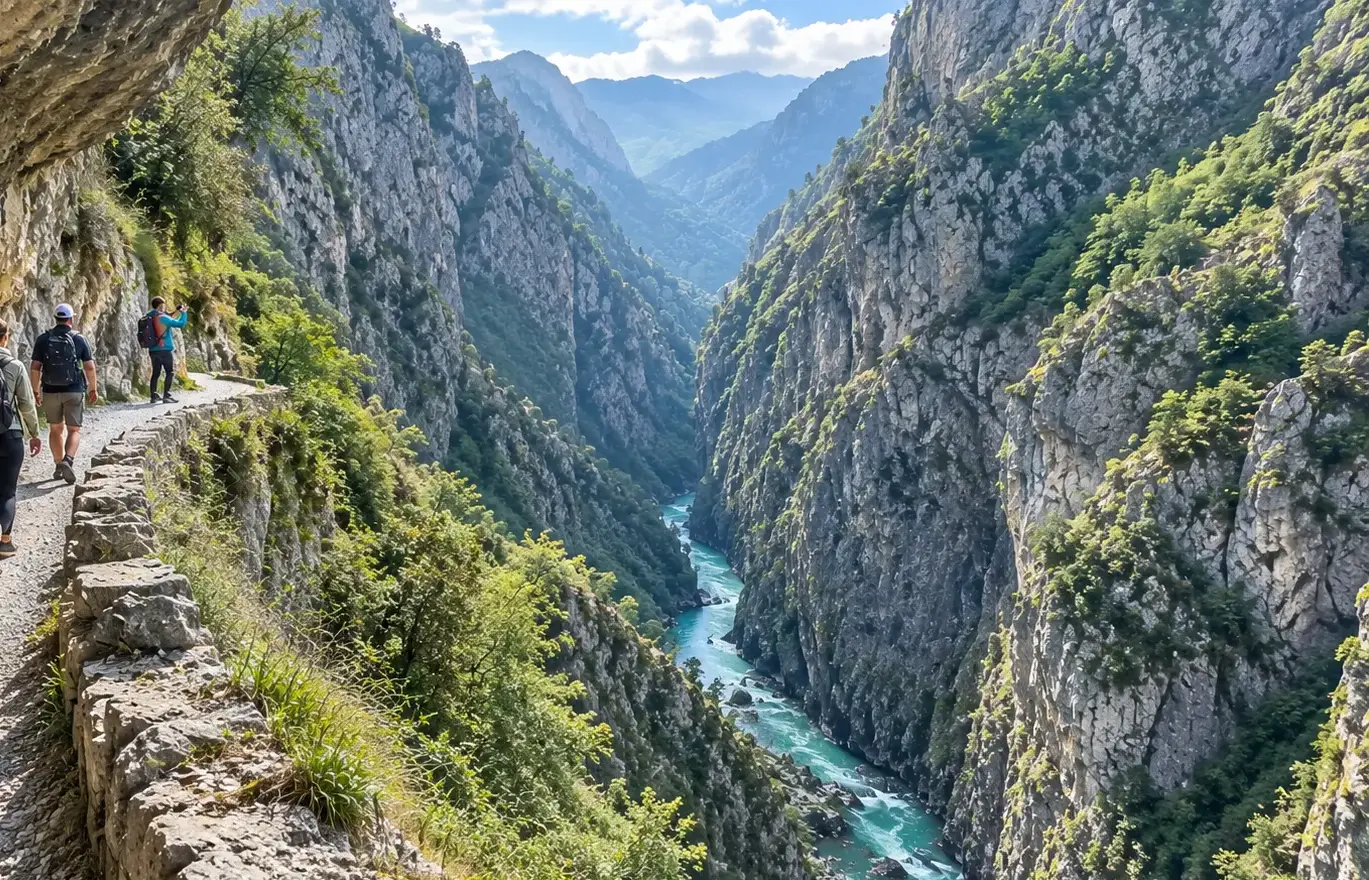
The Ruta del Cares links Poncebos in Asturias with Caín in León, following a path cut into the walls of the Cares gorge. It is roughly 12 kilometres each way, and most walkers take three to four hours one way. The path is mostly level, but it is a mountain trail with loose stones, drops without a fence in places, no drinking water and a risk of falling rocks.
The logistics are the real challenge. Poncebos and Caín are over 100 kilometres apart by road, so a one-way walk needs a taxi, a shuttle or a second car. In peak summer a shuttle linking Cangas de Onís with the two trailheads has been offered, but confirm that before relying on it. Landslides have closed sections of the route in the past, so check current status with the park authorities or Turismo Asturias.
Best for: confident walkers. The catch: you need a plan for getting back, plus a full day, water and real walking shoes.
Galicia: Atlantic Coast, Pilgrim Cities
10. Santiago de Compostela: The End of the Camino
The cathedral has been the end point of the Camino de Santiago for centuries, and arriving on foot, bike or by train still draws a crowd to the Obradoiro square. The botafumeiro, the huge censer suspended from the cathedral dome, weighs around 80 kilograms and stands about 1.6 metres tall. It swings across the transept on major feast days and when a group has arranged it, but it is not guaranteed at a normal daily Mass.
A pilgrim Mass is held daily at midday, and the Pilgrim’s Office lists current times. The cathedral has also been subject to restoration works that moved some services to other churches, so check before you plan around a Mass. The cathedral roof tour is worth booking through the cathedral. The stairs are steep and it is not wheelchair accessible. If you walk the last 100 kilometres, you can collect the Compostela certificate at the Pilgrim’s Office.
Best for: pilgrims, history fans and food lovers (the city is a good place to eat seafood). The catch: the centre is busy in summer, so stay at least one night for the quiet evening and early morning hours.
11. As Catedrais Beach: Rock Arches You Can Only Walk Under at Low Tide
Praia das Catedrais, near Ribadeo on the coast of Lugo, is a Natural Monument famous for its natural rock arches. They are only accessible at low tide, so you plan the day around a tide table rather than the other way round.
Access is regulated during Holy Week and from 1 July to 30 September, when visitors need a free authorisation from the Xunta de Galicia reservation system. In summer there is a shuttle bus from Ribadeo, and the bus ticket itself acts as your authorisation. Outside those periods you can walk down without a permit. Steps down to the sand can be steep and slippery after rain.
Best for: photographers and coastal walkers. The catch: there is no flexibility in peak season. Book the permit, check the tide, and bring a back-up plan if the weather turns.
12. The Cíes Islands: Atlantic Beaches Reached by Ferry
The Cíes are part of the Atlantic Islands of Galicia National Park, off Vigo. They are reached only by boat, with ferries from Vigo taking about 40 to 50 minutes, and from Cangas and Baiona in high season. Rodas Beach and the walking routes to the lighthouse viewpoints are the main attractions.
The permit is free but mandatory, and daily visitor numbers are capped at 2,200. Operators ask for the permit before issuing a ferry ticket, so request it first or book through a ferry operator that handles it for you. There are no rubbish bins on the islands, so take everything back with you. Dogs are not allowed except guide dogs, and camping requires a separate permit.
Best for: summer beach days and easy hiking. The catch: the water is Atlantic-cold, and the ferry timetable controls your day, so check the last return before you wander too far.
13. Ribeira Sacra: Sil Canyon Viewpoints, Monasteries and Wine
The Ribeira Sacra is a landscape of steep river canyons, terraced vineyards and old monasteries in inland Galicia. The terraces are the reason mencía wine from here is described as heroic viticulture: harvesting on near-vertical slopes is done by hand.
Two perspectives are essential. From above, the Sil Canyon viewpoints include Balcones de Madrid, Cabezoás and others, most reachable by road. From below, catamarans run on the river from jetties including Santo Estevo and Abeleda, and the Monastery of Santo Estevo is now a parador hotel that non-guests can visit in part. Autumn is a good season for the harvest colours.
Best for: drivers who like viewpoints, wine and quiet roads. The catch: you need a car, and the narrow roads and big drops are a poor fit for anyone nervous about heights.
14. The Roman Walls of Lugo: A Short Stop With a UNESCO Pedigree
Lugo’s Roman walls were built between the 3rd and 4th centuries and are inscribed on the UNESCO World Heritage List (2000). They are the most complete and best-preserved example of late Roman military architecture in the former Western Roman Empire. The circuit is about 2.1 kilometres around, with ten gates, and you can walk along the top.
Count on about 30 to 60 minutes on the wall itself, with extra time for the old town and cathedral. The Camino Primitivo and the Camino de Invierno both pass through Lugo, which makes it a natural overnight for walkers, and the city is an hour or so from A Coruña or Santiago by road.
Best for: history lovers and day trips from Santiago or A Coruña. The catch: it is a modest stop, so it works best combined with Ribadeo or Ribeira Sacra.
15. The Tower of Hercules, A Coruña: The Lighthouse That Has Outlasted Empires
The Tower of Hercules guards the entrance to A Coruña’s harbour and is generally described as the oldest Roman lighthouse still in use, around 1,900 years old and UNESCO-listed. A 234-step climb leads to a viewing level over the Atlantic.
The surrounding coastal promenade is the real pleasure: you can walk or cycle long stretches of the seafront from the tower into the city. A Coruña also has a strong seafood scene, so pair a late-afternoon climb with dinner in the old town.
Best for: an easy coastal city break. The catch: check opening hours and any ticket rules before visiting, as they change by season.
How to Combine These Places in Northern Spain
Northern Spain is a road-trip region, and the distances are manageable if you group stops by area. One flexible plan for about 10 days, west to east or the reverse:
- Days 1 to 4, Basque Country: San Sebastián, Bilbao, Gaztelugatxe, and a Rioja Alavesa day if you like wine.
- Days 5 to 6, Cantabria and Asturias: Santillana del Mar, Altamira, then the Picos de Europa for Covadonga or the Cares Trail.
- Days 7 to 10, Galicia: As Catedrais, Lugo, Santiago de Compostela, then A Coruña, the Cíes Islands or Ribeira Sacra depending on season.
Pamplona and Burgos fit best if you arrive from or continue towards the interior. If you only have a week, cut one region rather than rushing all three.
Best Time to Visit Northern Spain
Northern Spain has an Atlantic climate: greener, wetter and generally milder than the south. Late spring and September are good all-round choices for walking and sightseeing with fewer crowds. July and August are the peak months for beaches, the Cíes Islands and festivals, but they are also when permits and bus systems apply at several of the places above, and heat can still be intense inland. The hottest San Fermín day on record, in 2026, reached 41.4°C at Pamplona airport’s weather station. Rain can come in any month, so build a flexible day into your plans.
Getting Around Northern Spain
A hire car makes most of these places easier, particularly Gaztelugatxe, the Picos de Europa, Rioja Alavesa and Ribeira Sacra. Cities like San Sebastián, Bilbao, Santiago and A Coruña work well without one. Bilbao, Santiago de Compostela, Asturias, Santander and Vigo all have airports, so you can often fly into one city and out of another to avoid backtracking. Check which airlines serve them from your home airport, and check the rules for driving on your licence if you are travelling from outside the EU. UK drivers will need to remember that Spain drives on the right.
What to Pack for Northern Spain
The region rewards preparation more than most. These are the items that actually earn their place:
- Waterproof, breathable rain jacket
- Broken-in walking shoes with good grip
- Reusable water bottle
- Small daypack
- Portable phone charger
- Travel insurance that covers hiking
- Offline maps for mountain and coastal roads
Mistakes That Waste Time or Money in Northern Spain
- Turning up without a permit. Gaztelugatxe, As Catedrais and the Cíes Islands all have access systems. Book first.
- Ignoring the tide. As Catedrais can be unreachable at the wrong time of day.
- Cramming every region into a week. Driving times add up. Choose one or two regions.
- Visiting Pamplona in July without a plan. It is a different city during San Fermín.
- Underestimating the Cares Trail. It is flat for a mountain walk, but it is long and exposed, with no drinking water.
- Drinking and driving in wine country. Book a tour or stay overnight in Rioja Alavesa or Ribeira Sacra.
Northern Spain: Frequently Asked Questions
What is the best place to visit in Northern Spain for a first trip?
San Sebastián and Bilbao give the best mix of food, culture and scenery in a compact area, and they are easy to reach by air. Add Gaztelugatxe for coastline and Santiago de Compostela if you want to continue west.
How many days do you need to see Northern Spain?
Seven days covers one region well, while ten to fourteen lets you combine the Basque Country, Asturias and Galicia without rushing.
Do you need to book Gaztelugatxe, As Catedrais or the Cíes Islands?
Often yes. Gaztelugatxe needs a free timed ticket on busy dates, As Catedrais needs a free permit during Holy Week and from July to September, and the Cíes need a mandatory permit. Check the official pages before travelling.
Is Northern Spain good in winter?
Cities, food and cultural sights work well, but days are shorter and mountain and coastal access can be affected by weather. Some seasonal services, like summer shuttles and catamarans, run on reduced schedules.
Do you need a car in Northern Spain?
For the cities, no. For Gaztelugatxe, Rioja Alavesa, the Picos de Europa and Ribeira Sacra, a car is far more practical.
Where to Check Current Details Before You Go
Opening hours, prices, permits and trail conditions change. These are the official or primary pages worth checking:
- Bizkaia provincial page for Gaztelugatxe
- Guggenheim Bilbao hours and admission
- Burgos Cathedral visit information
- Altamira Museum
- Turismo Asturias: access to the Covadonga Lakes
- Picos de Europa National Park: Cares Trail
- As Catedrais Beach visitor information
- Cíes Islands visiting guide
- Ribeira Sacra Sil Canyon viewpoints
- UNESCO: Roman Walls of Lugo